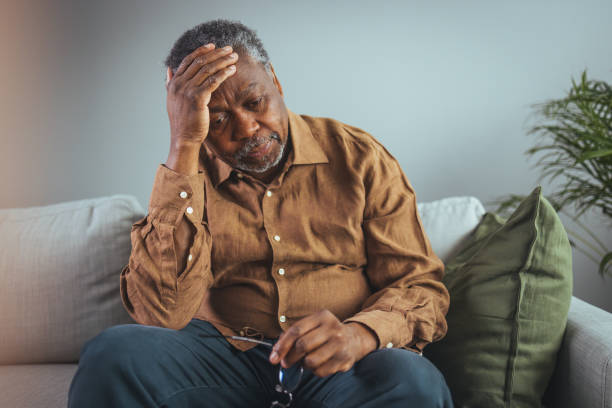
Boring tired sad mature man depressed lonely not having visitors to his children. The concept of health problems. Locks, unemployment, useless man at a social distance.
Aging brings profound life transitions, yet the mental health challenges older men face frequently go unnoticed. While mental health discussions have expanded globally, male depression in later life remains heavily stigmatized and misunderstood. Understanding the complex web of emotional, social, and physical shifts that occur as men grow older is essential for recognizing symptoms and offering the right support.
Unlike general sadness, depression in older men often stems from deeply rooted identity shifts, physiological changes, and shrinking social safety nets.
1. The Loss of Purpose and Identity
A primary catalyst for depression in aging men is the disruption of personal identity. Many men tie their self-worth heavily to their careers, their role as family providers, or their physical independence. When retirement arrives, or when health limitations and financial pressures restrict their ability to perform these traditional roles, a deep sense of redundancy can set in. This erosion of perceived usefulness often triggers persistent sadness and hopelessness.
2. Isolation and Shrinking Support Systems
Loneliness acts as a silent contributor to mental decline in older age. As professional networks fade, children establish independent households, friends move away, or spouses pass away, men frequently find themselves without a robust support system. While women are often socialized to cultivate and maintain diverse emotional circles, men may struggle to forge new platonic relationships, leading to severe social isolation.
3. Physical Health and Physiological Shifts
Chronic medical conditions, persistent physical pain, and declining mobility directly impact an individual’s psychological well-being. Reduced independence can cause profound frustration and a sharp decline in self-esteem. Additionally, biological factors such as age-related hormonal fluctuations, including a gradual decline in testosterone levels, can directly influence mood regulation and energy levels.
4. The Burden of Societal Expectations
Cultural norms frequently discourage men from displaying vulnerability or expressing emotional pain, reinforcing the expectation to “stay strong” and endure hardships silently. This emotional suppression creates a barrier to seeking professional help or confiding in loved ones, often causing distress to manifest through irritability, fatigue, or physical complaints rather than overt sadness.
Moving Forward
Recognizing the unique vulnerabilities aging men face is the first step toward breaking the cycle of silent suffering. Encouraging open dialogue, fostering community connections, and destigmatizing mental health care can help older men navigate their later years with renewed purpose, dignity, and emotional resilience.
NOTE: HEALTH ARTICLES ON THIS PLATFORM ARE FOR INFORMATIONAL PURPOSES ONLY AND NOT A SUBSTITUTE FOR PROFESSIONAL MEDICAL ADVICE. ALWAYS CONSULT YOUR DOCTOR FOR MEDICAL CONCERNS.
About the Author