
Modern homes are filled with conveniences designed to elevate comfort, enhance interior aesthetics, and streamline daily routines. However, beneath the surface of everyday life, several routine household items and appliances involve chemical compounds or operational hazards that require careful handling.
While many domestic items are completely safe when used correctly, overlooking proper maintenance, ventilation, or safety guidelines can introduce avoidable health risks. Examining these common household products highlights the importance of safety awareness in domestic spaces.
1. Gas Ranges and Cooking Appliances
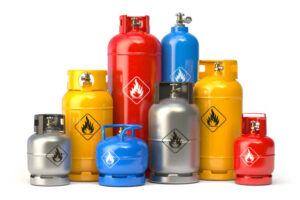
Gas stoves are central to daily food preparation in many homes, utilizing propane or butane fuels. While convenient, improper ventilation or poorly adjusted burners can release combustion byproducts such as carbon monoxide, which can impact respiratory health. Ensuring adequate kitchen ventilation and routine maintenance of gas lines is vital for indoor air quality.
2. Worn Extension Cords and Adapters
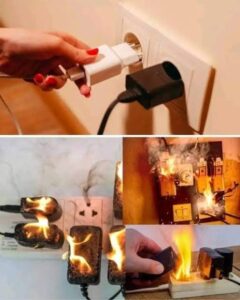
Electrical extension cords are frequently used to bridge gaps between power sources and household electronics. However, relying on damaged or overloaded cords over extended periods creates significant fire hazards. Regular inspection of wiring integrity and avoiding daisy-chaining multiple adapters helps prevent electrical short circuits.
3. Fluoridated Dental Products

Toothpaste and standard oral care items play a fundamental role in personal hygiene. While formulated for safe external application and daily use, these products contain active ingredients like fluoride. Ingesting large quantities—particularly by young children—can lead to gastrointestinal distress, underscoring the importance of proper supervision and rinsing habits.
4. Electric Blankets and Heated Quilts
Electric bedding provides extra warmth during colder periods, but continuous or improper use carries specific safety considerations. Overheating during pregnancy or using damaged heating coils can introduce thermal and electrical risks, making regular inspection of wiring controls essential.
5. Indoor Swimming Pools
Enclosed residential pools offer year-round recreation, but indoor environments require strict chemical and humidity management. High concentrations of chloramines and chlorine vapor in poorly ventilated indoor spaces can irritate the respiratory tract, sometimes exacerbating symptoms for individuals with asthma or allergies.
6. Air Conditioning Units
Climate control systems are indispensable during intense heatwaves. However, neglected AC units can accumulate mold, dust, and allergens, impacting indoor air quality. Additionally, refrigerant leaks or dry airflow can cause respiratory irritation or discomfort for individuals with sensitive eyes and skin, making routine servicing necessary.
7. Flat-Screen Televisions

Televisions are standard fixtures in modern living rooms. Beyond basic electrical safety, prolonged, sedentary screen time is frequently linked to secondary health impacts, such as disrupted sleep cycles, eye strain, and reduced physical activity, highlighting the value of balanced daily routines.
8. Insecticides and Mothballs
Products used to protect stored garments—such as mothballs containing naphthalene or paradichlorobenzene—release chemical vapors into enclosed spaces. Inhaling these fumes over long periods can cause headaches, dizziness, and respiratory irritation, prompting many households to seek better-ventilated storage alternatives.
9. Lead-Based and VOC Paints
Older paints or certain formulations may contain volatile organic compounds (VOCs) and heavy metals like lead. Inhalation of fumes during application or exposure to deteriorating paint layers can lead to systemic health concerns affecting neurological and renal functions, making proper protective gear and ventilation mandatory during home renovations.
NOTE: HEALTH AND SAFETY ARTICLES ON THIS PLATFORM ARE FOR INFORMATIONAL PURPOSES ONLY AND NOT A SUBSTITUTE FOR PROFESSIONAL ADVICE. ALWAYS CONSULT QUALIFIED TECHNICIANS OR HEALTH PROFESSIONALS FOR SPECIFIC CONCERNS.
About the Author