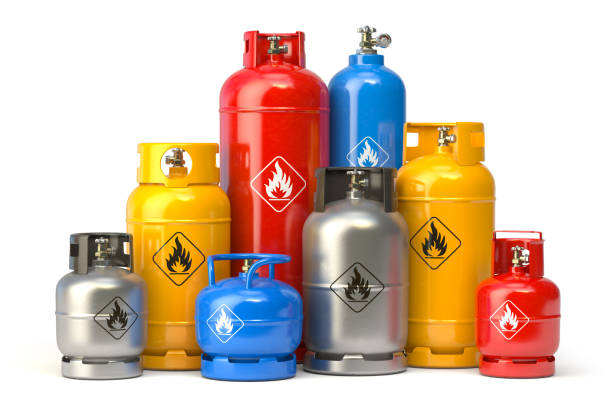
Different types of gas bottles isolated on white background. 3d illustration
The rising cost of refilling cooking gas has made energy conservation a top priority for households across Nigeria.
When cylinders run out unexpectedly, it can disrupt meal preparation and strain household budgets. While numerous myths circulate on social media—such as placing gas cylinders in bowls of water, a practice experts strongly advise against due to severe safety risks—the key to reducing gas consumption lies in practical, safe, and efficient kitchen habits.
Optimizing how you cook not only extends the lifespan of your LPG (Liquefied Petroleum Gas) cylinder but also cuts down unnecessary monthly expenses.
1. Always Cover Your Cooking Pots
Leaving pots uncovered allows heat and steam to escape into the atmosphere, forcing your burner to work harder and consume more gas.
Using a tight-fitting lid traps heat inside the vessel, allowing food to cook significantly faster and retain vital nutrients.
2. Match Pot Size to the Right Burner
Using a small pot on a large burner causes the flames to lap up the sides of the cookware rather than heating the base, resulting in massive energy waste. Always use burners that correspond proportionally to the diameter of your pot to ensure maximum heat transfer.
3. Avoid Cooking With Excessive Flames
A common misconception is that turning the gas knob to the maximum setting speeds up the cooking process. In reality, once water or food reaches its boiling point, turning the flame down to a moderate level maintains the required temperature while burning less fuel.
4. Practice Mise en Place (Pre-Prep Your Ingredients)
Lighting your gas cooker before chopping vegetables, measuring spices, or thawing meat leads to idle burning time. Cultivate the habit of washing, cutting, and arranging all ingredients before turning on the stove to eliminate wasted fuel.
5. Invest in a Pressure Cooker
For meals that traditionally require extended cooking times—such as beans, tough cuts of beef, or hard grains—a pressure cooker is an invaluable investment. By trapping steam and increasing internal atmospheric pressure, it cuts cooking time by up to 50%, drastically reducing gas usage.
6. Maintain and Clean Your Burners Regularly
Over time, spilled food particles, grease, and soot can clog the tiny ports on your gas burners, leading to uneven, yellowish flames instead of a clean, blue burn. Clean your burner heads regularly with warm soapy water and a pin or wire brush to ensure optimal gas efficiency.
7. Inspect Your Cylinder, Hose, and Regulator.
Safety should always accompany economy. Routinely check your rubber hose, regulator, and cylinder valves for cracks, leaks, or wear. If you suspect a leak, immediately turn off the cylinder valve, open all windows for ventilation, avoid striking matches or toggling electrical switches, and call a certified technician. Never attempt DIY repairs on gas equipment.
Summary
Making your cooking gas last longer does not require hazardous shortcuts. By adopting mindful kitchen habits—such as using lids, regulating flame intensity, pre-planning your meal prep, and keeping equipment clean—you can stretch every refill further, protect your household, and save money.
About the Author