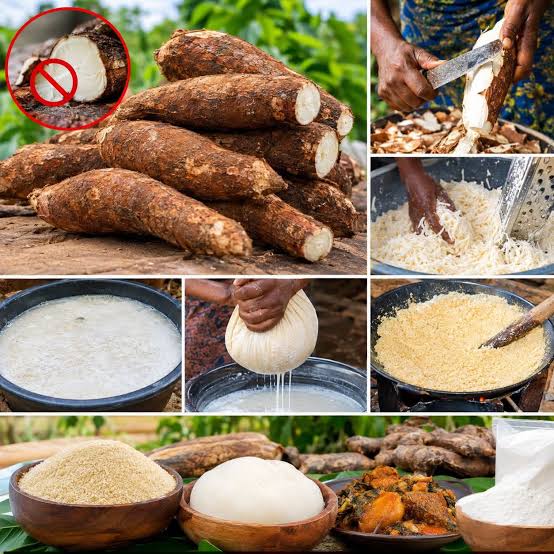
While most people associate health risks from food with long-term poor nutrition or foodborne illness, certain everyday foods can present acute dangers if they are mishandled or consumed improperly. Although these items are staples in kitchens worldwide, knowing how to prepare them safely is essential.
Here are five common foods that require proper handling and preparation to avoid serious health complications:
1. Sprouting or Green Potatoes:
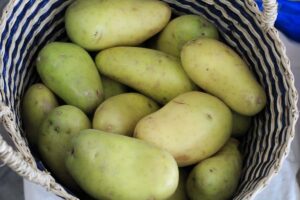
Potatoes are a dietary staple in many households, but tubers that have turned green or developed sprouts can accumulate high levels of glycoalkaloids. These natural toxins are concentrated in the shoots, stems, and skin of the potato. Consuming significant quantities can lead to gastrointestinal distress, headaches, and other acute health issues. Discarding green or heavily sprouted potatoes is the safest approach.
2. Bitter Almonds
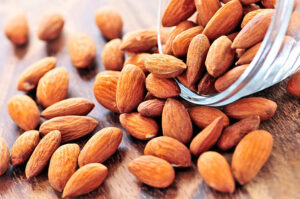
Unlike sweet almonds, which are commonly enjoyed as a healthy snack, raw bitter almonds contain natural compounds that can break down into hydrogen cyanide when ingested. Eating unprocessed bitter almonds poses a severe safety risk, particularly to children. Consequently, bitter almonds must undergo rigorous commercial processing before they are ever considered safe for consumption.
3. Unprocessed Raw Honey

Certain types of raw, unpasteurized honey can occasionally contain grayanotoxins, which bees collect from specific regional plants. Ingestion of contaminated honey can trigger symptoms such as dizziness, weakness, nausea, and excessive sweating.
Commercially produced and pasteurized honey undergoes filtering and processing that significantly minimizes these risks, making grocery-store varieties safe for the general public.
4. Improperly Prepared Cassava
Cassava is a vital caloric source across many tropical regions, especially in parts of Africa. However, raw or undercooked cassava contains compounds that can convert into toxic substances if not neutralized. Thorough peeling, soaking, and cooking are mandatory steps to eliminate these compounds. Additionally, bitter cassava varieties require even more careful processing than sweet varieties.
5. Truly Raw Cashews

The cashews sold on store shelves as “raw” have actually been steamed or heat-treated during processing. Truly unpeeled, raw cashews contain urushiol, an organic allergen also found in poison ivy. Handling or consuming unprocessed cashews can trigger severe contact dermatitis or allergic reactions in sensitive individuals.
## SEO Optimization Details for Globalpulsealert
### Suggested Headline
**5 Common Foods You Eat That Can Be Dangerous If Prepared Incorrectly**
### 5 SEO Keywords
1. dangerous everyday foods
2. foods that contain natural toxins
3. safe preparation of cassava and potatoes
4. risks of eating raw cashews
5. food safety handling tips
About the Author