Finger- Human anatomy has long fascinated researchers, psychologists, and the curious alike. Beyond physical appearance, everyday features—ranging from facial structures to the length of our fingers—are frequently studied for potential links to behavioral traits, confidence levels, and interpersonal styles.
While these physical traits do not dictate your destiny, exploring what hand0 anatomy and finger ratios suggest about human personality makes for a fascinating conversation. Here is a look at what different finger proportions are commonly associated with.
1. The Index-to-Ring Finger Ratio
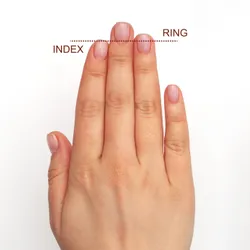
One of the most widely discussed hand features in behavioral studies involves comparing the length of the index finger to the ring finger.
When the Index Finger is Shorter:
Individuals with a ring finger longer than their index finger are often perceived as having higher self-confidence, a strong sense of initiative, and natural leadership qualities. They tend to be decisive, goal-oriented, and comfortable taking charge in social or professional settings. However, they may also hold high expectations for themselves and others.
When Index and Ring Fingers are Equal:
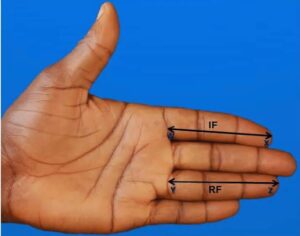
People whose index and ring fingers share a similar length are often viewed as balanced, practical, and diplomatic. They approach challenges with a calm, realistic mindset and frequently act as natural peacemakers within group settings, making them reliable and trustworthy companions.
2. What Your Pinky Finger Can Indicate

In addition to the main fingers, hand analysis often highlights the pinky finger as a reflection of communication style and emotional expression.
Expression and Sensitivity: The length and position of the pinky finger are often associated with how a person handles emotions, expresses empathy, and navigates social environments.
Openness vs. Reserve: Individuals with varying pinky lengths are often categorized by popular observation as either deeply expressive—wearing their hearts on their sleeves—or more guarded and protective of their personal feelings.
Looking Beyond the Physical
While hand proportions and anatomical markers offer an interesting lens through which to view human traits, science reminds us that a person’s character is shaped far more by lived experiences, personal choices, and continuous growth than by physical measurements. Whether you view these finger traits as mere coincidence or accurate behavioral reflections, they highlight the incredible diversity of human features.
About the Author