
In modern relationships, open communication and health awareness are vital. While many people overlook the importance of regular medical checkups, Sexually Transmitted Diseases (STDs) remain a significant health concern globally. Often, individuals may be unaware of their health status or may hesitate to discuss it, making it crucial to understand the behavioral and physical indicators associated with infections.
Prioritizing reproductive health and recognizing early warning signs can protect both partners from long-term complications.
Understanding the Risk Factors
Health experts emphasize that certain lifestyle factors increase the likelihood of contracting or transmitting an infection. Key factors to consider include:
Multiple Sexual Partners:

Engaging in relationships with multiple partners significantly raises the statistical risk of exposure to STDs.
Lack of Protection: Inconsistent use of barrier methods during intimate encounters leaves individuals vulnerable to infections such as chlamydia, gonorrhea, and human papillomavirus (HPV).
Unreported Symptoms: Many infections can remain asymptomatic for long periods, meaning an individual can carry and transmit an infection without realizing it.
Physical and Dermatological Indicators to Watch For
While definitive diagnosis requires professional medical testing, the body often reacts to infections through physical symptoms. Some common signs that may indicate underlying health issues include:
Skin Changes and Sores:

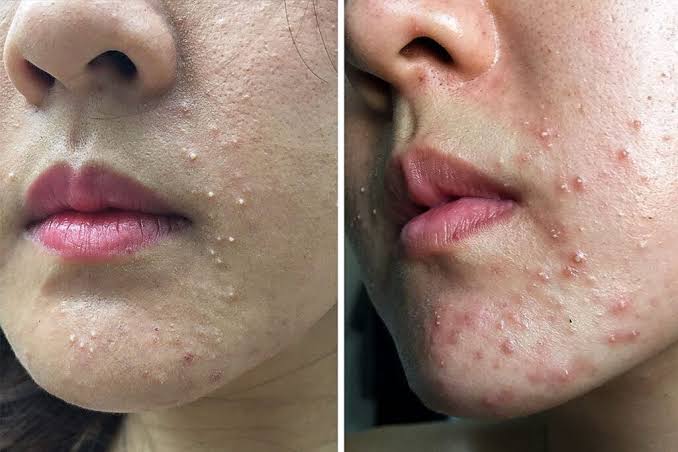
Certain viral or bacterial infections can manifest as unusual skin irritations, bumps, or sores around the face, neck, or pelvic regions.
Persistent Inflammation: Chronic skin issues or slow-healing blemishes can sometimes be linked to systemic immune responses or underlying infections.
Unexplained Discomfort:

Physical discomfort, unusual fatigue, or localized pain should never be ignored, as they often signal that the body is fighting off an infection.
Note: Men may sometimes display visible physical reactions due to hormonal responses and physiological differences, but many infections remain hidden in both men and women.*
The Importance of Professional Testing and Open Dialogue
The only accurate way to confirm or rule out an STD is through professional medical testing. Relying solely on visual appearance is unreliable, as many infections do not show outward symptoms. Couples are encouraged to maintain open, honest conversations about reproductive health and undergo routine screenings together to ensure mutual safety and peace of mind.
Medical Disclaimer: Health articles published on this platform are for informational and educational purposes only and are not a substitute for professional medical advice, diagnosis, or treatment. Always consult a qualified healthcare provider for any medical concerns.
About the Author




