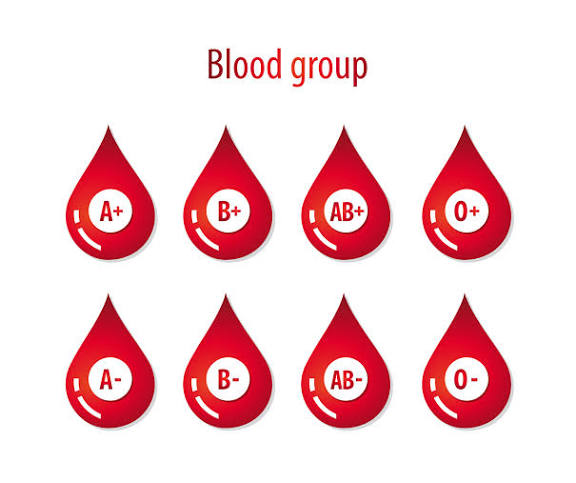
When exploring human health and genetics, medical research often examines how different blood types interact with various illnesses. Among the four major blood groups—A, B, AB, and O—scientific studies frequently suggest that blood group O may possess unique immunological advantages and a potentially lower risk for certain severe infections.
The Science Behind Blood Group O and Immunity
Researchers have long studied the correlation between blood types and susceptibility to specific diseases. During major epidemiological studies involving infectious outbreaks—such as cholera and COVID-19—data frequently indicated that individuals with type O blood experienced lower rates of severe complications compared to those with other blood types.
The primary biological factor behind this involves red blood cell antigens. Blood groups A and B contain specific carbohydrate antigens on the surface of their red blood cells, whereas type O lacks both the A and B antigens. Lacking these specific markers can sometimes make it more difficult for certain pathogens and viruses to attach, enter, and multiply within the body’s cells.
Additionally, type O blood contains natural antibodies against both A and B antigens, which some immunologists believe helps create a broader baseline defense mechanism against certain foreign agents.
Health Benefits Beyond Infections
Beyond resistance to certain pathogens, large-scale epidemiological studies have noted correlations between blood types and cardiovascular health:
Heart Health: Statistical observations suggest that individuals with type O blood may have a marginally lower risk of developing certain cardiovascular diseases, such as coronary artery disease, compared to non-O blood groups.
Vulnerabilities: While type O individuals may have certain defensive advantages against specific infections, medical studies also indicate they may carry a slightly higher susceptibility to specific conditions, such as peptic ulcers, often associated with H. pylori bacteria.
Immunity Goes Beyond Genetics
While genetics and blood types play an interesting role in how the human body reacts to pathogens, they do not dictate overall wellness. People with blood groups A, B, and AB possess their own unique physiological advantages and resistances.
Ultimately, robust immunological health relies far more heavily on daily lifestyle choices than on inherited blood type. Maintaining a nutrient-dense diet, engaging in regular physical activity, prioritizing consistent sleep, and effectively managing stress remain the most powerful tools for supporting long-term health and immunity.
Disclaimer: Health articles on Globalpulsealert are for informational purposes only and do not constitute professional medical advice, diagnosis, or treatment. Always consult a qualified healthcare provider regarding any medical concerns.
About the Author