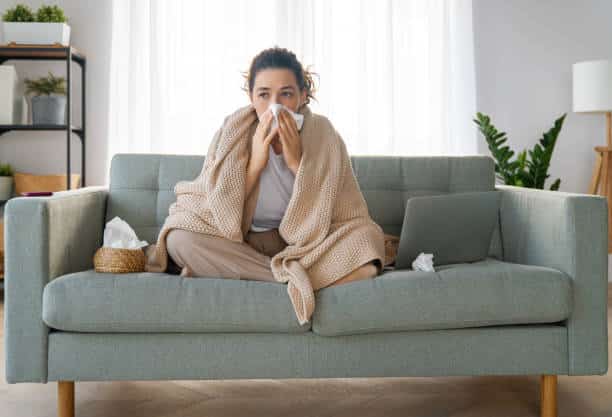
Ill upset girl is holding paper tissue and blowing nose. Virus symptom concept.
Most people view their home as a secure sanctuary—a comfortable space to unwind away from the stresses of the outside world. However, hidden right beneath the surface, your living environment can sometimes harbor unseen health risks. From indoor air pollution to structural hazards, various factors within a house can quietly impact your physical well-being.
Understanding these concealed dangers is the first step toward maintaining a truly healthy living space. Here are the most common ways your house can make you sick and how to protect yourself:
1. Indoor Air Pollution and Poor Ventilation
Modern homes are often built to be energy-efficient and tightly sealed, which can unfortunately trap pollutants indoors. Everyday activities, dust accumulation, tobacco smoke, and the use of traditional cleaning agents release volatile organic compounds (VOCs) that irritate the respiratory tract and trigger chronic allergies. Without adequate ventilation, these harmful particles remain suspended in the air you breathe daily.
2. Hidden Mold and Mildew Growth
Mold thrives in damp, humid environments such as poorly ventilated bathrooms, basements, and around leaky plumbing. When mold spores are released into the air, they can cause persistent coughing, sneezing, skin irritation, and severe respiratory flare-ups—posing an even greater risk to individuals with asthma or weakened immune systems.
3. Dust Mites and Pet Dander
Microscopic dust mites love to settle in soft furnishings like bedding, carpets, and upholstered furniture, feeding on dead skin cells. Combined with accumulated pet dander from furry companions, these allergens frequently trigger chronic sneezing, watery eyes, and severe asthma attacks in sensitive household members.
4. Lead Paint and Asbestos in Older Homes.
Homes built decades ago often contain construction materials that modern building codes have phased out.
Lead Paint: Frequently found in older properties, deteriorating lead paint poses a severe developmental hazard, particularly to young children who may ingest dust or paint chips.
Asbestos: Once widely used for home insulation, undisturbed asbestos is generally stable, but if remodeled or damaged, airborne asbestos fibers can lead to serious, long-term lung diseases.
5. Carbon Monoxide Leaks.
Often called the “silent killer,” carbon monoxide (CO) is an odorless, colorless gas produced by faulty fuel-burning appliances like water heaters, furnaces, or gas stoves. Undetected leaks can lead to severe poisoning or prove fatal within minutes, making functional CO detectors non-negotiable.
6. Harsh Chemical Cleaners and Pesticides.
The products you rely on to keep your house clean can sometimes work against your health. Many commercial cleaning chemicals contain harsh irritants that affect the eyes, skin, and lungs. Similarly, domestic pesticides used for pest control can introduce unwanted toxins into your living spaces.
7. Excess Clutter.
Beyond being an aesthetic nuisance, household clutter contributes indirectly to poor health by trapping heavy layers of dust and making thorough, regular cleaning difficult.
How to Protect Your Health at Home
Fortunately, you don’t need to live in fear of your living space; proactive maintenance can neutralize most of these risks:
Improve airflow: Open windows regularly and use exhaust fans in moisture-prone areas like kitchens and bathrooms.
Control humidity: Fix water leaks promptly and use dehumidifiers to prevent mold growth.
Clean with intent: Wash bedding frequently in hot water, vacuum carpets with HEPA-filter vacuums, and opt for natural or eco-friendly cleaning supplies.
Install safety devices: Ensure smoke detectors and carbon monoxide alarms are tested and active year-round.
Final Thoughts.
Your home should be a place of health and comfort, not hidden illness. By staying mindful of indoor air quality, tackling moisture issues, and performing routine maintenance, you can keep your living environment safe for everyone in your household.
About the Author