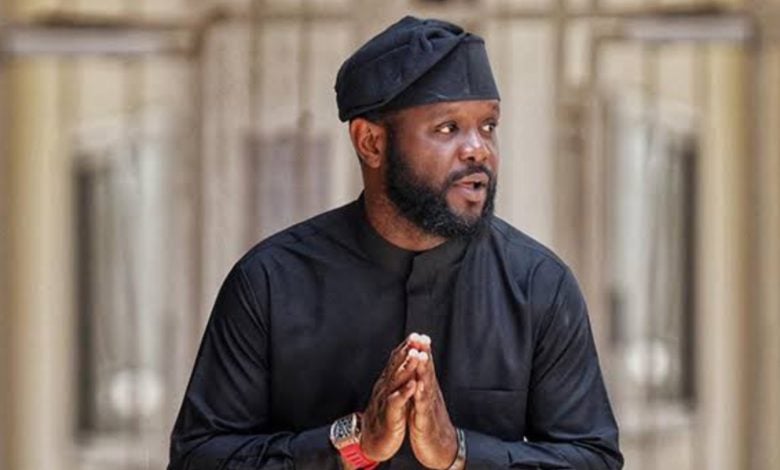
Seyi Tinubu, son of President Bola Tinubu, has openly acknowledged the economic pressures and tight budgets facing Nigerian households under the current administration, while strongly urging citizens to keep faith with the Federal Government’s ongoing structural reforms.
He made these remarks during his opening address at the inaugural **Seyi Tinubu Colloquium**, held at Eko Hotel and Suites, Victoria Island, Lagos. The high-profile event, themed *“Shaping the Future Together,”* convened policymakers, business leaders, youth innovators, and civil society actors to deliberate on youth integration, enterprise, and national growth.
Defending Bold Economic Restructuring
Addressing participants, Seyi noted that every generation inherits a nation shaped by previous choices, emphasizing that the current leadership took charge to confront deep-seated structural decay rather than shirk responsibility.
He defended critical policy choices made by President Bola Tinubu’s administration—including the removal of the petrol subsidy, unification and reform of the foreign exchange market, and overall tax restructuring. According to him, these painful measures are foundational steps required to redirect how public resources are generated, managed, and utilized to foster sustainable national productivity.
> “President Bola Ahmed Tinubu did not choose Nigeria, did not choose the Nigeria inherited from his predecessors, yet his administration chose to confront the challenges of our nation, not for itself alone, but for the benefit of those who come next, for us, the young generation,” he stated.
Acknowledging Immediate Pains and Realities
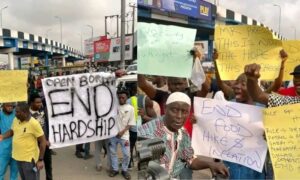
While maintaining an optimistic long-term outlook, Seyi candidly admitted that the immediate ripple effects of the fiscal adjustments have not been easy for ordinary families struggling with high living costs and constrained budgets.
“Changes have not been easy. Families whose budgets have been stretched, the pain was immediate, the lasting improvement more difficult to feel and touch, yet they are no less real,” he noted.
Focus on Infrastructure and Long-Term Investments
To cushion and justify the long-term impact of these reforms, Seyi pointed to the government’s aggressive investments in critical infrastructure, such as road networks, power supply, mining, manufacturing, and agriculture. He emphasized that structural projects and institutional strengthening should be evaluated by their capacity to secure opportunities for generations yet unborn, rather than purely through short-term metrics.
“A road built today will serve people who are still children. An institution strengthened today can protect opportunities for Nigerians yet unborn,” he concluded.
About the Author