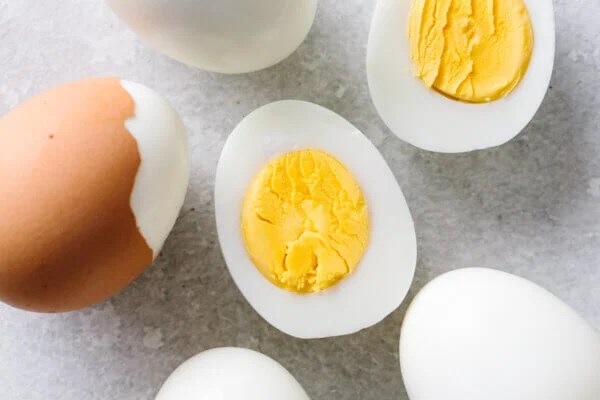
Eggs have long earned their reputation as a nutritional powerhouse. Packed with high-quality protein, essential vitamins, choline, and healthy fats, they offer incredible health benefits. However, for older adults, a persistent question often lingers: how many eggs can you safely consume each day without triggering cholesterol spikes or harming your heart?
For decades, public health guidelines warned people to limit egg consumption due to fears about dietary cholesterol. But modern nutritional science has cleared the air, shifting our understanding of how dietary cholesterol actually affects the human body.
The Real Relationship Between Eggs and Cholesterol.
It is true that a single large egg yolk contains about 186 mg of cholesterol. In the past, this led health experts to blanket-advise people to avoid eggs. However, contemporary research shows that for the vast majority of people, dietary cholesterol has a minimal impact on blood cholesterol levels.
Instead, the liver regulates cholesterol production based on what the body needs. When you consume dietary cholesterol from wholesome foods like eggs, your liver simply produces less.
What truly drives up harmful LDL cholesterol and increases heart disease risk are saturated fats, trans fats, and refined sugars—not whole foods like eggs.
What Modern Studies Say for Older Adults
As we age, maintaining muscle mass, bone density, and cognitive health becomes paramount. Eggs provide an exceptional, bioavailable source of protein and vital nutrients (such as lutein and zeaxanthin for eye health) that support healthy aging.
Moderate Consumption is Safe: For healthy older adults, eating one to two eggs per day is generally safe and fits well within a heart-healthy diet.
Individual Health Status Matters: Seniors with pre-existing conditions like type 2 diabetes, cardiovascular disease, or familial hypercholesterolemia should consult their primary physician to tailor their specific dietary limits.
The Company Eggs Keep Matters: How you prepare your eggs dictates their health impact. Boiling, poaching, or cooking eggs with a minimal amount of healthy oil (like olive oil) is vastly different from frying them in heavy butter alongside processed meats like bacon or sausages.
The Bottom Line
Eggs do not need to be feared or avoided by older adults. When consumed as part of a balanced, fiber-rich diet that includes vegetables, whole grains, and lean proteins, eggs can be a wonderful, nutrient-dense addition to your daily routine.
Disclaimer: Health and wellness articles on Globalpulsealert are for informational purposes only and do not substitute for professional medical advice. Always consult your doctor or healthcare provider regarding specific dietary changes or medical concerns.
About the Author