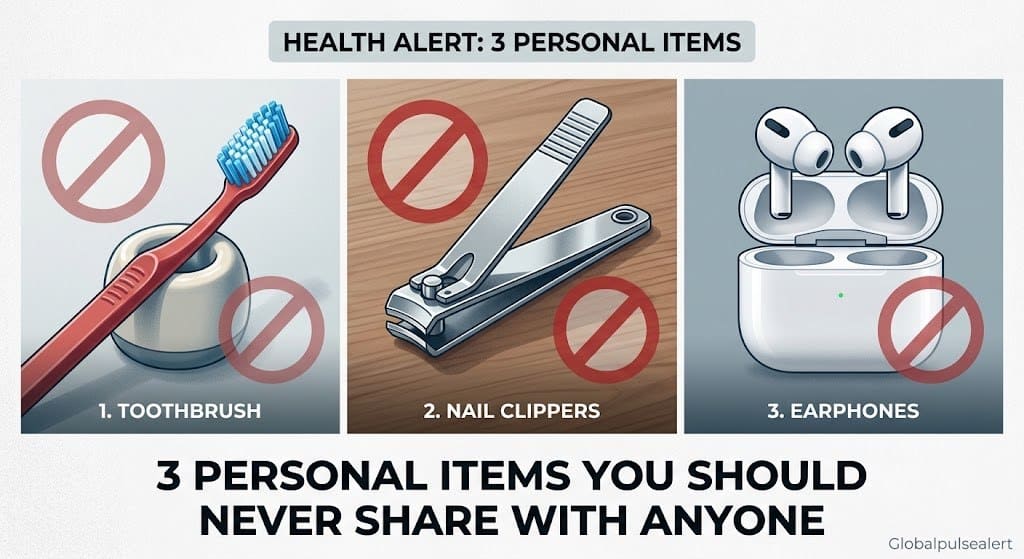
While sharing is generally considered a virtue, certain personal items should strictly remain exclusive to you. Even with close friends, family members, or partners, passing certain hygiene tools back and forth can inadvertently transmit harmful bacteria, fungi, and viruses.
Here are three common personal items you should never share, and the health risks involved:
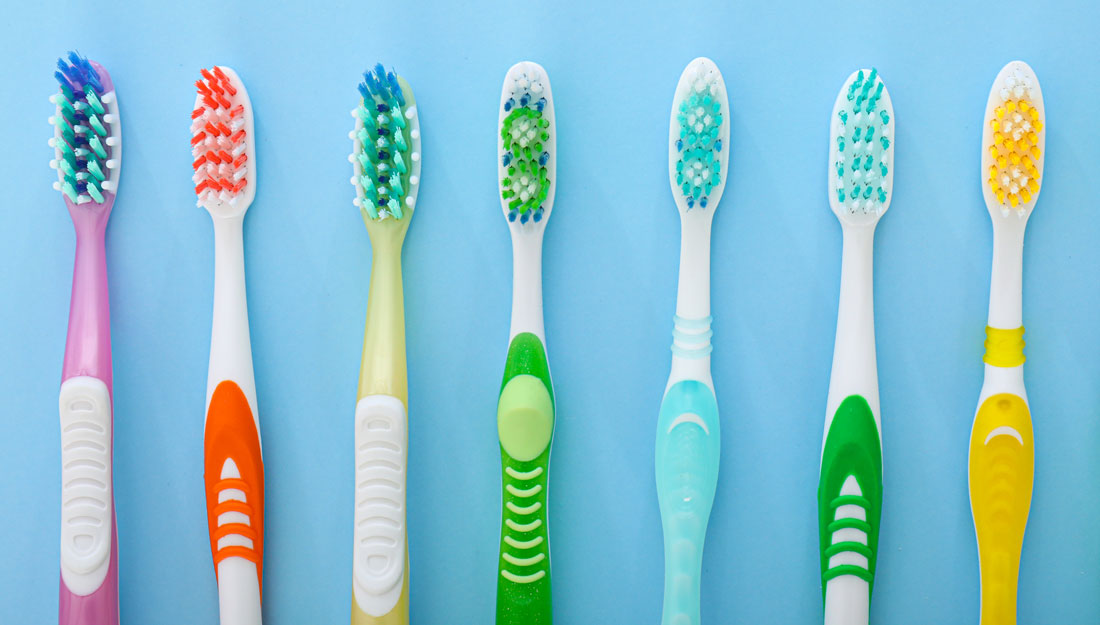
1. Toothbrushes
Sharing a toothbrush is a major hygiene risk. Once used, toothbrushes harbor millions of microorganisms, including bacteria from the mouth. While blood-borne transmission risks like HIV are exceedingly rare from a toothbrush unless there are open bleeding gums and direct, fresh exposure, sharing toothbrushes can easily transfer common oral bacteria, cold viruses, and periodontal pathogens. Always keep your toothbrush strictly to yourself.
2. Nail Clippers
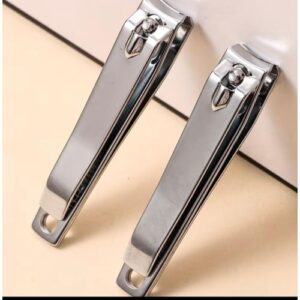
It might seem harmless to lend nail clippers to a sibling or roommate, but these tools frequently come into contact with skin and microscopic amounts of blood or fluid. Sharing them is a primary vector for spreading:
-
Fungal infections: Such as athlete’s foot or toenail fungus, which can spread from skin to toes.
-
Bacterial infections: Including staph infections and paronychia—a painful infection of the skin fold surrounding the fingernail.
-
Warts: Caused by human papillomavirus (HPV), which can transfer through microscopic skin abrasions.
3. Earphones and Earbuds
Sharing earbuds or earphones introduces foreign bacteria directly into your ear canal and multiplies the existing microbial load. Your ears naturally contain bacteria and wax, but introducing new strains—or increasing the volume of existing germs through occlusion and warmth—can easily trigger painful outer ear infections (otitis externa) or fungal ear issues.
#earphone
About the Author