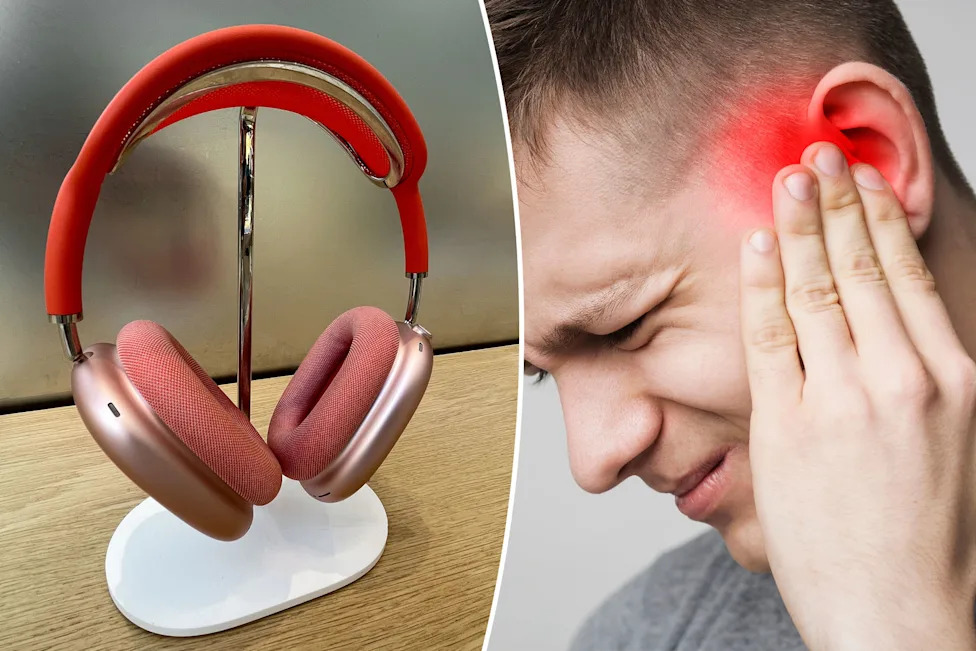
Introduction
While sharing is often considered a sign of affection and close friendship, there are strict boundaries when it comes to personal hygiene. Passing certain items back and forth can expose you to harmful bacteria, fungi, and serious health complications. To protect your well-being, here are three everyday items you should never share with anyone, no matter how familiar you are with them.
1. Toothbrushes
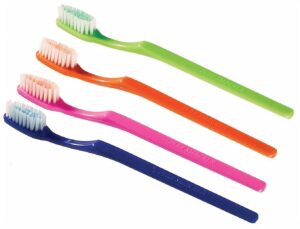
A toothbrush is a strictly personal dental tool meant only for your mouth. After use, toothbrushes trap various microbes and bacteria from the oral cavity.
Sharing a toothbrush introduces foreign bacteria into your system and disrupts your oral microbiome. Furthermore, if the bristles cause minor gum bleeding, it creates a risk for the potential transmission of blood-borne infections. Always keep your toothbrush completely private.
2. Nail Clippers
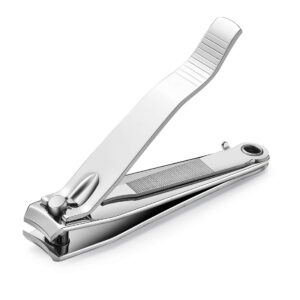
It is easy to assume that metal grooming tools like nail clippers are harmless to share, but they can easily harbor and transmit invisible pathogens.
Sharing nail clippers can spread a variety of infections, including:
Fungal infections: Such as athlete’s foot, which causes redness, cracking, and severe itching.
Bacterial and parasitic infections: Such as paronychia, a painful infection that develops in the skin fold where the nail meets the skin.
To safeguard your skin and nails, maintain a separate, personal set of grooming tools.
3. Earphones and Earbuds
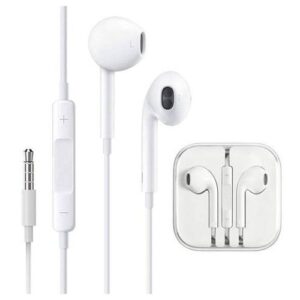
Earphones sit in a warm, enclosed area of the body that naturally collects earwax, moisture, and sweat—making them prime breeding grounds for germs.
When you share earphones with another person, you introduce a new wave of foreign microorganisms directly into your ear canal and dramatically increase the bacterial load. This sudden influx of bacteria can easily trigger painful ear infections, inflammation, and irritation. Make it a rule to keep your audio gear to yourself.
About the Author